When applying to teach in Korea, one of the most important parts of the visa process is proving that your academic and legal documents are genuine. Korean schools and immigration offices cannot directly verify paperwork issued in another country, so they require your documents to go through a formal authentication process in your home country.
Apostille
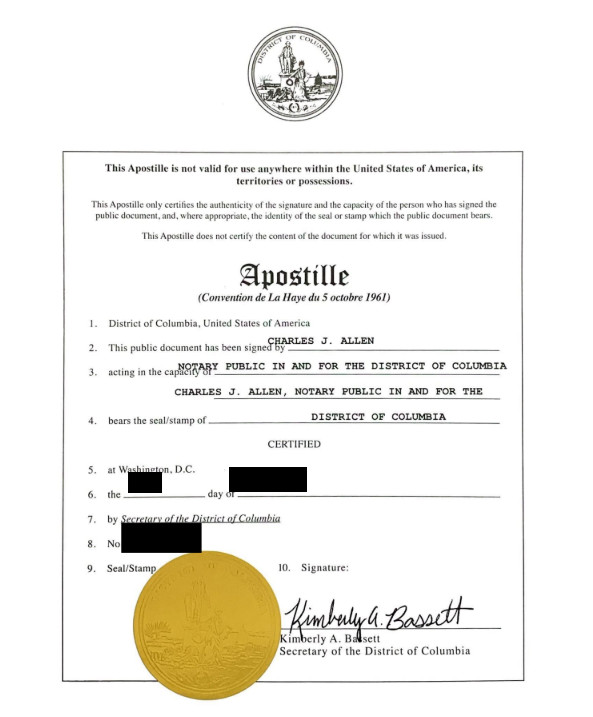
An apostille is a certificate that authenticates a document for use in a foreign country that is a member of the 1961 Hague Convention. It certifies the authenticity of the signature, seal, and position of the official who signed or certified a public document, ensuring the document is valid in other member countries.
Notarization
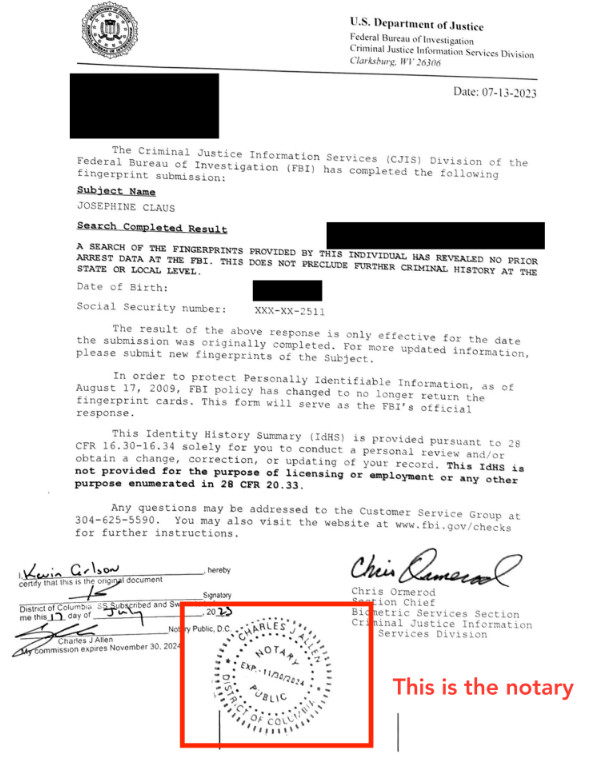
Notarization is when a notary public checks your identity and confirms that a document is genuine. Many documents need to be notarized before they can receive an apostille.
What Documents You Must Apostille and Notarize to Teach in Korea
To apply for the E-2-1 visa (“Foreign Language Instructor”), candidates must prepare the following documents:
1. Apostille and Notarized Copy of your Bachelor's Degree
- 4-year degree from an accredited university issued in one of the native English-speaking countries (U.S.A., Canada, Australia, New Zealand, England, Ireland, and South Africa)
- Additional degrees (M.A., M.S., PhD) typically do not require notarization or apostille unless specifically requested
- Must be issued within 6 months before the visa submission date
| Note: Please notarize and apostille a COPY of your DIPLOMA, as you will not receive the document back once you submit it to your school. |
2. Apostille of your National-level Background Check
- Verify that you have a clean criminal record and have not committed any serious crimes.
- Must be issued within 6 months before the visa submission date
3. (OPTIONAL) Additional Documents
You may be asked to provide extra documents depending on the school. If any of these are not in English or Korean, you will need to submit a notarized translation with an apostille attached.
- Name change certificate
- Teaching license or certification
- Reference letters
- Police checks from previous countries of residence
Why Background Checks Don’t Need Notarization, But Degrees Do
Your national criminal background check is already issued and signed by a government agency. Since it already has an authorized government signature and seal, it does not need separate notarization. Degrees, on the other hand, are issued by universities, so a copy of your degree must be notarized first to confirm it’s a true and accurate copy of the original before it can be apostilled.
See our Country Guides for Notarization & Apostille Documents
United States
United Kingdom
Canada
South Africa
Australia
Ireland
New Zealand