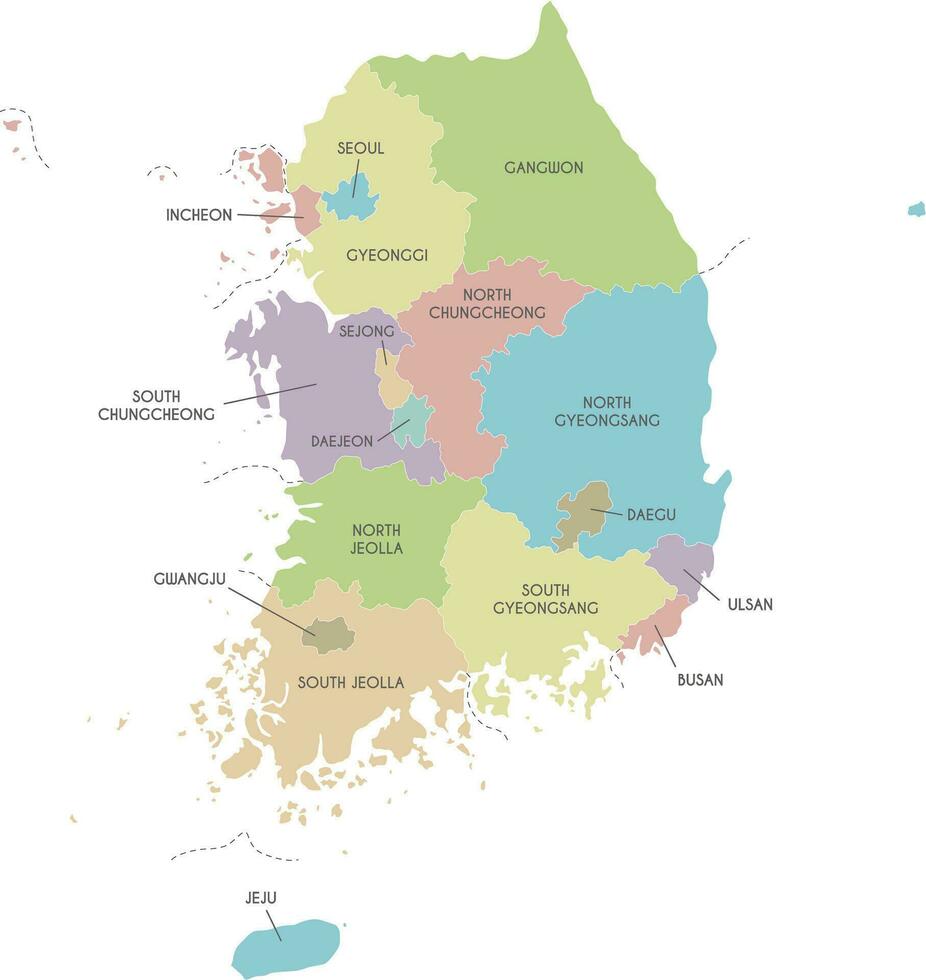
Korea’s Geography
Seoul Capital Region (Seoul & Surrounding Key Cities)
Seoul
Seoul is South Korea’s dynamic capital, blending deep historical roots with cutting-edge modernity. Visitors can explore ancient palaces such as Gyeongbokgung and traditional neighborhoods like Bukchon Hanok Village, while also experiencing vibrant K-culture through K-pop, fashion, and technology. The city serves as the nation’s economic powerhouse, hosting headquarters for global companies such as Samsung and Hyundai, and boasts a world-class metro and bus system that makes it extremely accessible.
Key Features:
Cultural Hub – History and modern culture coexist seamlessly.
Economic Powerhouse – Headquarters for major Korean and global companies.
Efficient Public Transport – Extensive, affordable, and reliable system.
Incheon
Incheon serves as the country’s primary port and hosts Korea’s main international airport. It is home to Songdo International Business District, a model smart city, and provides seamless access to Seoul via subway and expressways.
Key Features:
-
Incheon International Airport – One of the world’s top airports.
-
Smart City Development – Songdo’s innovative urban planning.
-
Gateway to Seoul – Convenient connectivity to the capital.
Suwon
Suwon balances history with innovation, featuring the UNESCO World Heritage Hwaseong Fortress alongside modern urban infrastructure. It is also a hub for technology, with Samsung headquarters located nearby.
Key Features:
-
Hwaseong Fortress – Historical landmark and tourist attraction.
-
Samsung HQ – Technology and electronics hub.
-
Well-Planned Urban Infrastructure – Harmonious mix of old and new.


Busan & Ulsan Region (Southeast Coast)
Busan
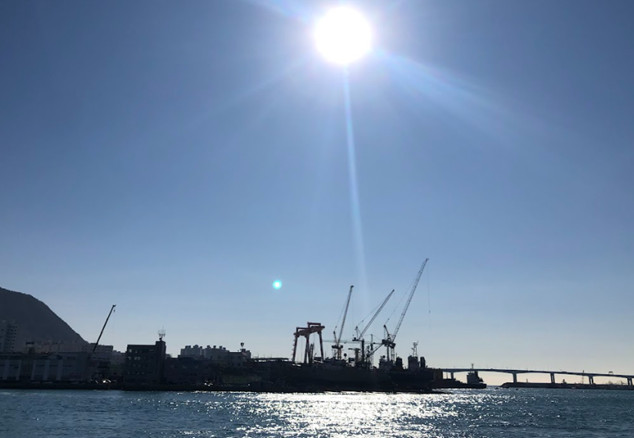
Busan is South Korea’s primary port city and a hub of commerce, trade, and tourism. Famous for its sandy beaches, scenic mountains, and vibrant cultural festivals, it combines economic significance with leisure and entertainment. Historically, it served as a temporary capital during the Korean War.
Key Features:
-
Beaches and Nature – Haeundae and Gwangalli beaches; hiking in Geumjeongsan.
-
Seafood Capital – Jagalchi Market offers fresh seafood.
-
Laid-back Coastal Vibe – Spacious and relaxed compared to Seoul.
Ulsan
Ulsan is a major industrial city with heavy industries such as Hyundai Motor and Hyundai Heavy Industries. It also offers natural attractions, including the Taehwagang River bamboo forest and whale-themed parks, blending urban development with eco-tourism.
Key Features:
-
Heavy Industry – Key player in Korea’s industrial output.
-
High Income Levels – Wealthy population due to industry.
-
Eco Parks and Whales – Unique natural and cultural attractions.

Daegu Region (Southeastern Inland)
Daegu
Daegu is an inland city surrounded by mountains, historically significant as the administrative seat of southeastern Korea. Known for its warm climate, the city became a hub for textiles and fashion. It also hosts cultural festivals such as the Daegu International Opera Festival.
Key Features:
-
Fashion and Textiles Industry – Historical production center.
-
Warm Climate – Favorable for agriculture and summer tourism.
-
Cultural Festivals – Vibrant local arts scene.
Daejeon & Chungcheong Region (Central Korea)
Daejeon
Daejeon is centrally located and renowned for scientific research and education. Home to institutions like KAIST, it emphasizes innovation, R&D, and technological advancement. The city benefits from excellent transportation connections, including KTX high-speed rail linking Seoul and Busan.
Key Features:
-
Science & Tech Hub – Leading research institutions and universities
-
Central Transportation – Key link in Korea’s transport network.
-
Education & Innovation – Focus on R&D and creative industries.
Chungcheong Region (Chungcheongbuk-do & Chungcheongnam-do) – Natural landscapes and historic sites
The Chungcheong region spans the Geumgang and Hangang river basins and features mountainous national parks such as Sobaeksan, Woraksan, and Songnisan. Key cities like Chungju, Cheongju, and Daejeon sit near these natural landscapes. The region includes smaller streams leading to Asan Bay and scattered islands around the Taean Peninsula.
Gwangju & Jeolla Region (Southwest)
Gwangju
Gwangju is renowned for its democratic legacy, particularly the 1980 Gwangju Uprising. The city also hosts the Gwangju Biennale, reflecting a vibrant arts and cultural scene, and is famous for traditional Jeolla cuisine.
Key Features:
-
Democratic Legacy – Symbol of Korea’s modern democracy.
-
Art and Culture – Biennale and local creative scene.
-
Food Culture – Rich culinary tradition.
Jeonju
Jeonju is the birthplace of bibimbap and recognized as a UNESCO City of Gastronomy. Its Hanok Village preserves traditional Korean architecture and culture, reflecting a focus on sustainability and local heritage.
Key Features:
-
Birthplace of Bibimbap – Culinary significance.
-
Hanok Village – Preserved traditional homes.
-
Slow City – Emphasis on culture, tradition, and sustainability.
Gangwon-do (Northeast)
Gangwon-do Province
Gangwon-do is characterized by its dramatic Taebaek Mountains, Seoraksan National Park, and the eastern coastline along the East Sea. Key cities include Chuncheon (lakes, Nami Island, dakgalbi), Sokcho (gateway to Seoraksan), Gangneung (cafés and beaches), Pyeongchang (winter sports), Taebaek (mountains and mining heritage), and Yangyang (coastal temples and quiet beaches). The province is ideal for outdoor adventure, cultural exploration, and coastal leisure.
Jeju Island (South Coast)
Jeju
Jeju Island is South Korea’s largest island and a UNESCO World Natural Heritage site, famous for volcanic landscapes, Hallasan Mountain, lava tubes, waterfalls, and coastal cliffs. The island offers a mild climate, traditional villages, and local specialties such as tangerines, seafood, and black pork. Jeju blends natural beauty, outdoor adventure, and cultural experiences unique from mainland Korea.
TAGS
Share

Embark Recruiting Blogs
Embark Recruiting
As former native English teachers in Korea, we know exactly what it’s like to navigate teaching abroad. That’s why we’re committed to increasing transparency in schools and improving Korea’s ESL teaching industry. At Embark Recruiting, we provide full support to help you succeed. Our blogs offer guidance, tips, and insider knowledge for teaching in Korea.