Behaviour Management with Kindergarten & Elementary Students
If you are a first-time teacher in Korea, standing in front of a classroom full of children can feel pretty intimidating at first. You can prepare your lesson and learn the material you’ll be teaching, but you still might wonder how the students are actually going to react.
First of all, let me introduce myself. My name is Charlotte, and I’ve been teaching in Korea since 2023 as both a head teacher and an ESL teacher. Even though I had some classroom experience before coming to Korea, I still felt nervous when I first started teaching ESL.
As I’ve gained more experience teaching and later training other teachers as a head teacher I’ve picked up a few methods that helped me build a clear and positive classroom structure with Kindergarten and Elementary students.
Classroom Rules
To start with, establishing a routine right from the first lesson is vital; children thrive when there is a consistent, solid routine that rarely changes. At the beginning of a semester, or if I start teaching a new group of students, I will establish
One of the most important things is creating a routine from the very first lesson. Children do much better when they know what to expect and when the routine stays consistent.
At the beginning of a semester, or whenever I start teaching a new class, I always go over the classroom rules with the students. For my current classes, the rules are:
- Don’t talk when the teacher is talking
- If you have a question, put your hand up and wait to be called on
- If you break a rule or cause problems in class, you lose a “life” (I’ll explain this more below)
I repeat these rules at the beginning of every class until the students know them well. I also keep them written on a poster at the front of the classroom so everyone can always see them.
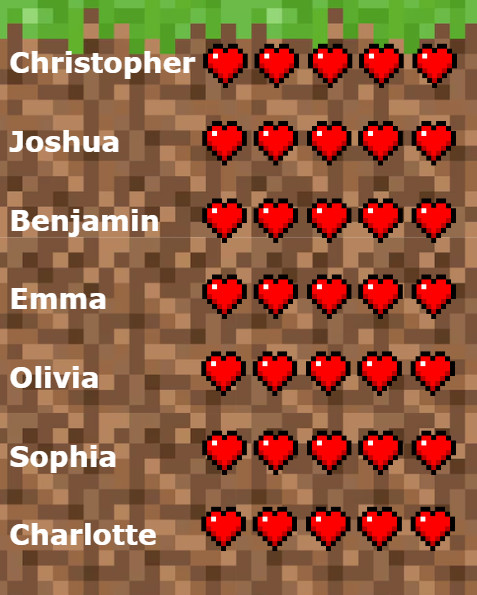
Reward System Example: The 'life' system.
A lot of my students love video games like Minecraft, so I introduced a “life” system into the classroom.
At the front of the room, I write each student’s name with five hearts next to it. If a student behaves well or participates properly, they can earn hearts. If they reach 10 hearts by the end of the week, they get a small reward, like candy or choosing the Friday game.
If a student behaves badly, they lose a heart. If they lose all their hearts, I speak to their Korean co-teacher or the director about the behaviour.
I usually laminate the chart or place it in a plastic sleeve so I can easily add or remove hearts using a whiteboard marker.
Good vs Bad Behaviour
A lot of behaviour problems happen simply because students don’t fully understand what’s happening around them. Since you don’t speak Korean fluently, students may react differently to you compared to Korean teachers. This is completely normal and usually improves over time as you build relationships with the students and learn more about their personalities.
One thing that really changed my classroom management was focusing more on praising good behaviour rather than only reacting to bad behaviour.
If a student improves or does something well, they can earn a heart back. I always make it very obvious when I add a heart and explain in simple English why they earned it.
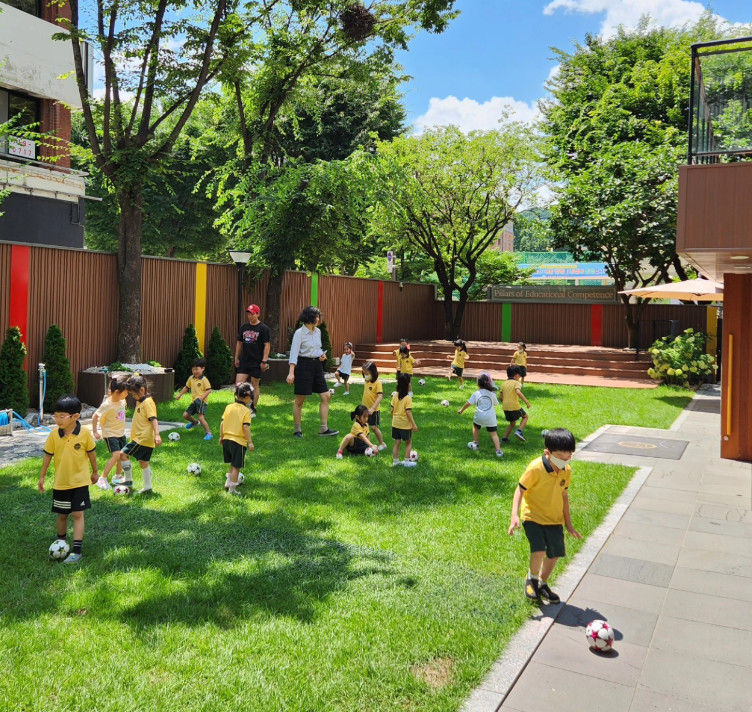
When giving or taking away a heart, it’s important that the student understands exactly why it happened. Repeating the classroom rules helps students understand both praise and consequences, and it gives them a better chance of improving next time.
Sometimes, taking a few minutes to calmly talk with a student about what they’re struggling with can make a huge difference long-term and also help strengthen your relationship with them.
Younger children especially can get emotional or overwhelmed very quickly. When one child becomes upset, it can easily affect the rest of the class, so it’s important to deal with situations early before they grow bigger.
If the entire class becomes noisy or chaotic, using a timer or countdown can help regain attention. For example, I count down slowly from ten to zero. At the start of the semester, I make it clear that if the class is still noisy when I reach zero, they may lose a heart or another privilege, such as game time or outdoor break time.
Don’t be afraid to move students around and change seating arrangements based on behaviour, ability, or focus levels. Children are heavily influenced by the students sitting around them. Pairing a focused student with a less engaged student can sometimes encourage better concentration and participation.
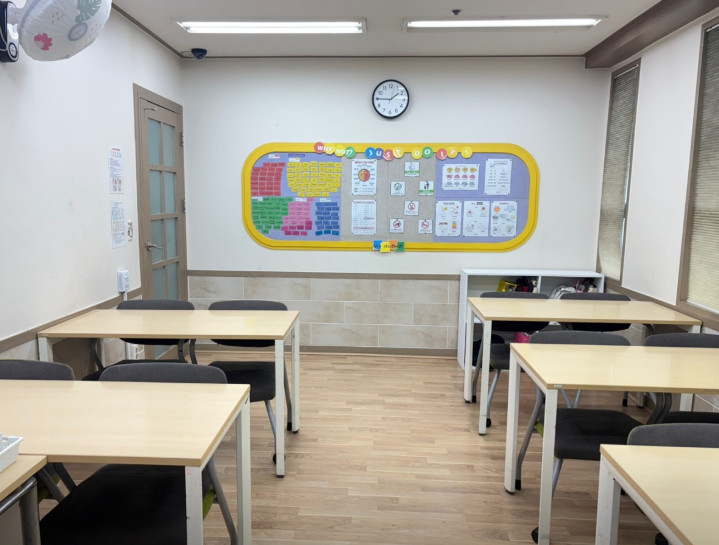
It also helps to have a visual seating chart so students always know where they should be sitting.
The importance of visual & auditory cues in the classroom
Most young learners in Korea are used to discipline and instructions being given in Korean, so visual cues are especially useful in ESL classrooms.
For younger children, raising your voice usually isn’t very effective because it just adds more noise and stress to the classroom. Instead, it helps to develop a calm but firm “teacher voice” that sounds different from your normal speaking voice without actually shouting.
You also don’t have to handle every problem alone. If you feel unsure about how to manage a student or situation, speak with your co-teacher, head teacher, or director for support and advice.
The biggest thing I want people to take away from this is that teaching can definitely be challenging at times, but it’s also incredibly rewarding. Every class is different, so feel free to adapt these ideas and find methods that work best for your own students and teaching style.
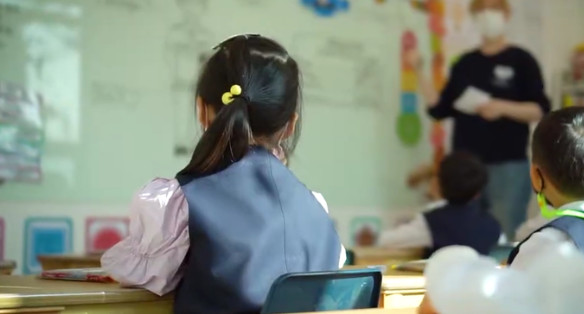
If you’d like more resources on this topic, you can also check out TES or other classroom management resources online for additional ideas and support.
| Sources used in this article:
Parsonson, B. (2012). Evidence-based Classroom Behaviour Management Strategies. Kairaranga, pp.16–23. [online] Tes.com. (2025). The 5 best behaviour management strategies for primary schools | Tes. [online] Terada, Y. (2020). 7 classroom management mistakes—and the research on how to fix them. Edutopia. [online] |
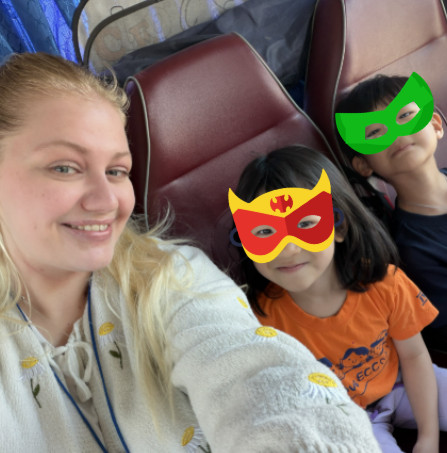
This article was written by our guest editor:
Charlotte Mears
- Head Teacher at YBM ECC Bucheon
- Former Head Teacher & ESL Teacher at Creverse Chungdahm Wirye
TAGS
Share

Embark Recruiting Blogs
Embark Recruiting
As former native English teachers in Korea, we know exactly what it’s like to navigate teaching abroad. That’s why we’re committed to increasing transparency in schools and improving Korea’s ESL teaching industry. At Embark Recruiting, we provide full support to help you succeed. Our blogs offer guidance, tips, and insider knowledge for teaching in Korea.